
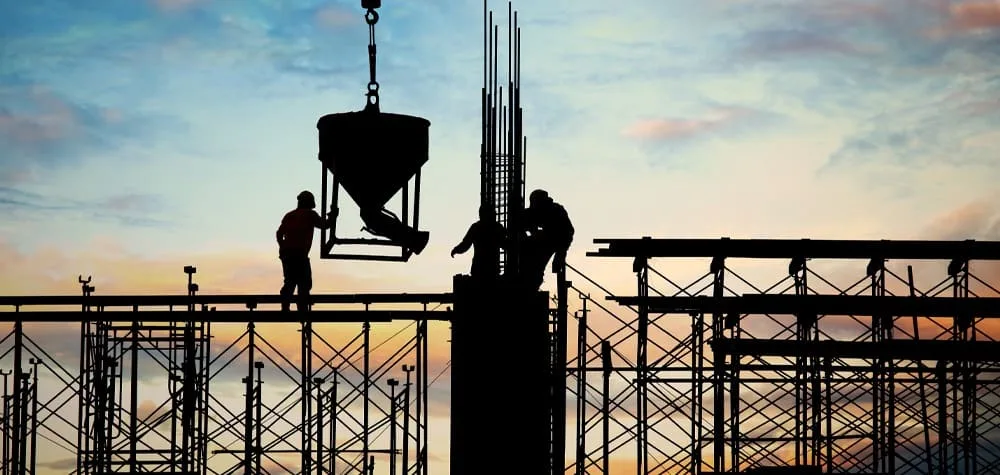
When it comes to construction, the foundation of any structure lies not just in its design but in the quality of materials used—especially cement. Cement is the core binding material that holds everything together, from bricks to steel reinforcement. But not all cement is created equal. Using genuine or verified cement can make the difference between a structure that stands tall for decades and one that begins to show signs of wear far too soon.
Why Genuine Cement Matters
- Structural Strength & Safety
Verified cement meets rigorous quality standards set by national and international organizations. This ensures it offers optimal compressive strength, setting time, and durability. Fake or substandard cement, on the other hand, can result in brittle concrete, cracks, or even structural failures. - Durability Against the Elements
Authentic cement is manufactured to resist environmental stressors like rain, heat, humidity, and pollution. It helps prevent corrosion of steel reinforcements and reduces the chances of cracks and dampness, which are common issues in poorly constructed buildings. - Consistency in Quality
Branded and certified cement manufacturers maintain uniformity in their product quality. This allows builders and engineers to predict performance outcomes more accurately, leading to more efficient and safer construction practices. - Compliance with Building Codes
Using verified cement helps ensure that your construction project complies with local and international building codes. Non-compliance can result in legal issues, fines, or even demolition of non-standard structures.
How to Identify Genuine Cement
- Check the Packaging: Look for the manufacturer’s name, ISI mark (in India), and manufacturing date.
- Ask for a Test Certificate: Reliable suppliers provide lab reports that certify the quality of the cement.
- Buy from Authorized Dealers: Avoid bulk or unknown vendors who might offer suspiciously low prices.
- Check for Smoothness and Color: Genuine cement usually has a uniform gray color with a fine, smooth texture.
- Verify the Brand Online: Most reputable brands have online verification systems where you can check the authenticity of the product batch.
Risks of Using Fake or Substandard Cement
- Weak structure and potential for collapse
- Rapid deterioration of buildings
- Higher long-term maintenance and repair costs
- Safety hazards for occupants
- Legal issues and penalties
Final Thoughts
Using genuine cement isn’t just a matter of quality—it’s a matter of safety, longevity, and trust. Whether you’re building a home, office, or infrastructure project, investing in verified cement is investing in peace of mind. Don’t cut corners on materials. Build with strength. Build with integrity. Build with certified cement.